Start with the idea
Bring the idea. See what surrounds it.
Describe an idea, invention, opportunity or problem. Bruce's Wayfinding system will organize it across six critical lenses and reveal the questions that deserve attention next.
How I Think
Let's put your idea to the test.
No cost. Useful insight in minutes.
Bring me an idea, a problem, or the beginning of a thought. I'll reveal what's strong, what needs work, what's missing, and where opportunity may be hiding.
Enter a sentence or two. Nothing confidential, please.
This is a starting point — not an automated judgment of your idea. The output is exploratory and does not constitute professional, legal, financial, medical, or investment advice.
Starting Point
"What do you need?" has always been one of my favorite questions.
Put an idea, a problem or even a half-formed plan in front of me, and the conversation rarely ends where it started. I ask questions, challenge assumptions and connect things that may not have seemed related.
That is usually where the interesting possibilities begin.
Waypoint 01
I see possibilities.
For more than 40 years, I have worked where ideas, technology, people and markets meet.
I have built products, solved unusual problems, assembled specialized teams and helped promising concepts move closer to reality.
Over time, I learned where I create the most value. It is usually at the point where an idea needs a sharper question, a different connection or an experienced outside perspective before the next major decision.
I am no longer running a full-service product-development company. I am still deeply interested in ideas, unusual problems and the conversations that can change their direction.
How I Think
Six ways I approach an idea.
See the opportunity
I rarely stop at the first version of the question. The initial request matters, but there is often a larger possibility hiding behind it.
Clarify the idea
Excited and vague is a perfectly good place to start. The goal is to turn "I have this idea" into something specific enough to examine, challenge and improve.
Challenge assumptions
I ask the question everyone may have stopped asking. What do we know, what are we assuming and which old answer deserves to be checked again?
Make connections
I connect ideas, disciplines, technologies and people that may not initially appear related. More than 40 years of varied projects gives me a large field of dots to connect.
Reduce the risk
I have watched enough good ideas die of bad math to have opinions about it. Creative potential and commercial reality need to survive the same conversation.
Find the next question
A good question beats a fast answer almost every time. The goal is not to leave with artificial certainty. It is to know what deserves to be learned, tested or decided next.
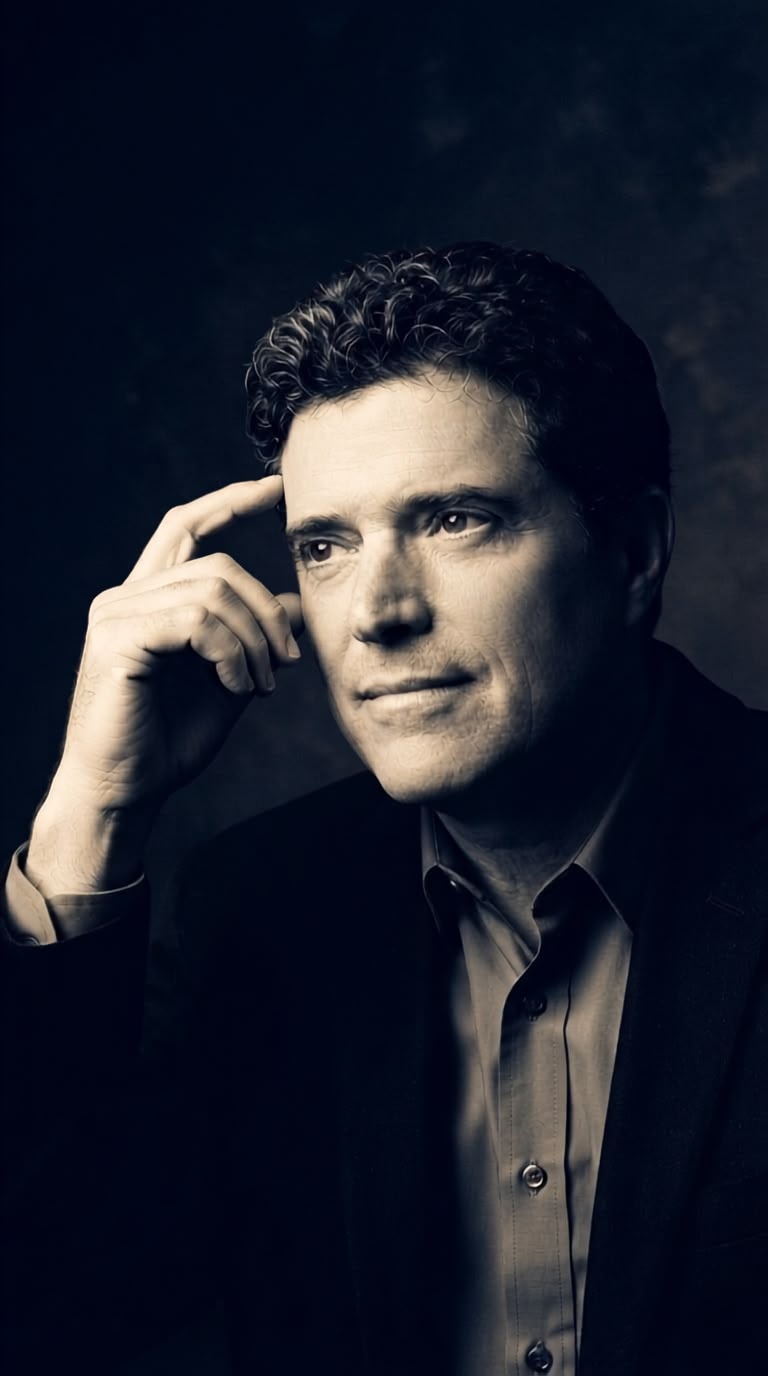
Selected Work
More than 40 years of asking, "What if?"
All Field FilesThe questions changed. The industries changed. The instinct to explore what might be possible never did.
The Gene Zapper
Archived reporting documents Bruce and Prototype Design Services' work developing and commercializing early electroporation equipment used by genetics and cancer-research laboratories. The project grew from an unexpected conversation and collaboration with University of Wisconsin geneticist Oliver Smithies.
A conversation can open a market nobody expected.
The Money Mangler
Prototype Design Services helped develop a computerized system used in U.S. government research to test the physical durability of paper currency. Bruce gave it the memorable nickname "Money Mangler."
Even money can become a design problem.
Lighting Up Madison
Bruce and his collaborators helped organize ambitious public laser presentations by combining technology, music, local talent and unconventional problem-solving.
A technical project can also become a shared human experience.
IdeaToMarket
Through Prototype Design Services and later IdeaToMarket, Bruce worked across product evaluation, prototyping, technical development, manufacturing, cost analysis, patents, commercialization and specialized resource teams.
The right team does not always exist until the problem defines it.
The Focus Session
Bring me the idea you cannot quite see yet.
Bring one idea, one problem or one decision. A Focus Session is the clearest path when perspective, reframing and direction are the immediate need.
Current Coordinates
Still curious. Still asking.
I am retired from running a full-service product-development company.
I am not retired from ideas. Those do not come with an off switch.
I remain interested in compelling conversations, unusual challenges, meaningful initiatives and opportunities where the right question, connection or perspective might reveal a better direction.
See Bruce Now
What are you thinking about?
You do not need a polished presentation, a finished business plan or all the answers. Bring Bruce the idea, dream, challenge or opportunity that keeps returning to your mind.
The first conversation is simply a conversation.